Balkon GALERIE 1. Rang IONISCHER SAALNORD KÖNIGSSAAL IONISCHER SAALSÜD MITTELLOGE Galerie ZUR TIEFGARAGE CAPRICCIO-SAAL (EINFÜHRUNGEN) KÄFER RESTAURANT EINGANG MAXIMILIANSTRASSE Parkett FOYER ABEND- KASSE RHEINGOLD- BAR HAUS-GÖTTER-SAAL FREUNDE- FOYER OPERN- SHOP PARKETT LINKS PARKETT RECHTS LUDWIG BECK CD-SHOP HAUPTEINGANG AUSGANG NORD 2. Rang 3. Rang
  • To main navigation
  • To content
Menu Please click here to open/close the navigation To home page
  • Bayerische Staatsoper
  • Bayerisches Staatsballett
  • Bayerisches Staatsorchester
  • Staatsoper.tv
DE
Staatsoper.tv Schedule
More to schedule Schedule
    • All Events
    • Season 2025–26
    • Season 2026–27
    • Festivals
    • Archiv
    • tickets
    • Vouchers
    • Discounts
    • <30
    • [Translate to English:] Kartenbörse
    • Subscription
    • Your visit
    • Gastronomy
    • Seating plans
    • Guided Tours
    • Umbesetzungen
    • Newsletter
    • FAQ
    • Opera shop
    • Nationaltheater
    • Bayerische Staatsoper
    • Bayerisches Staatsballett
    • Bayerisches Staatsorchester
    • Young ensembles
    • Choir
    • Team
    • Jobs
    • KIDS AND FAMILIES
    • Kulturelle Bildung
    • Community
    • STAATSOPER.TV
    • Podcasts
    • Apollon
    • Label: Bayerische Staatsoper Recordings
    • Acknowledgements
    • Global Partner
    • Partner
    • Patronage societies
German
Schedule

Sol León & Paul Lightfoot about Spheres.03


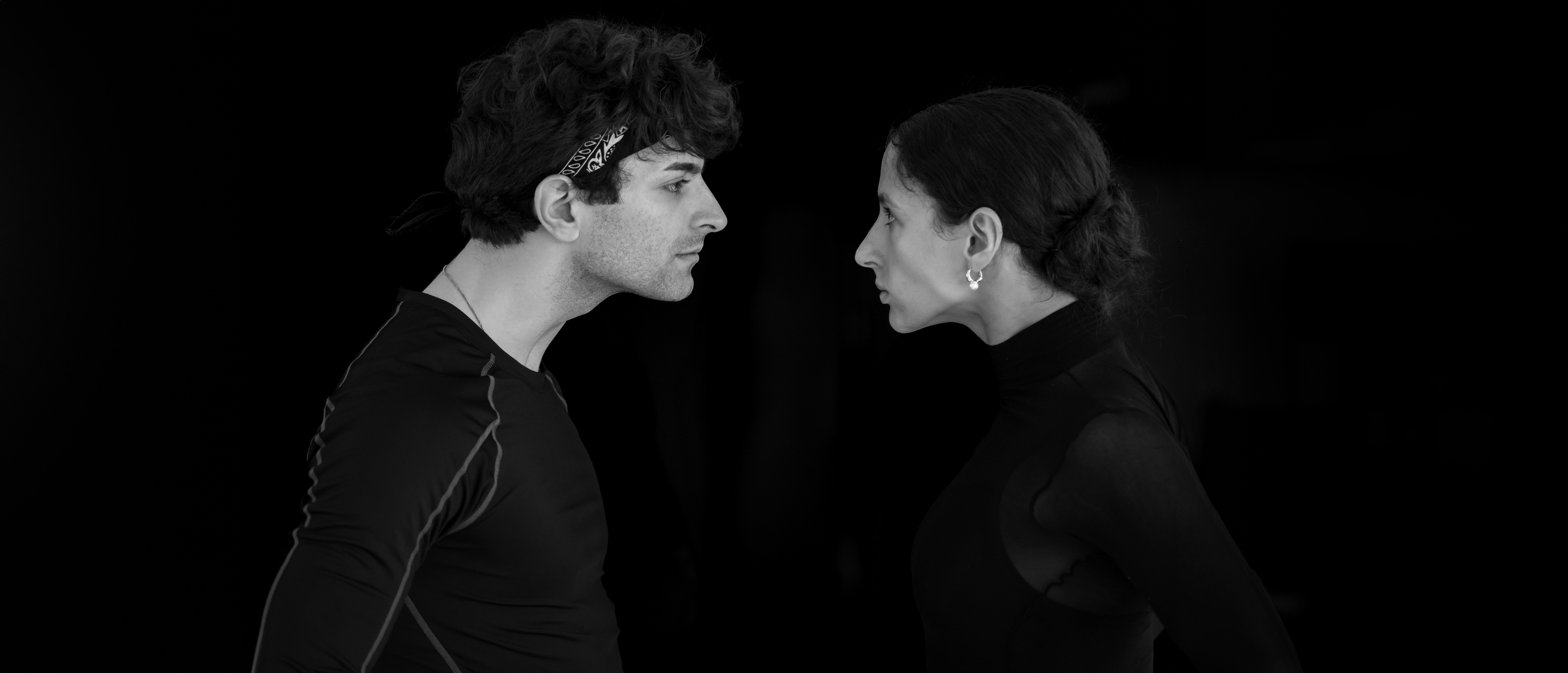
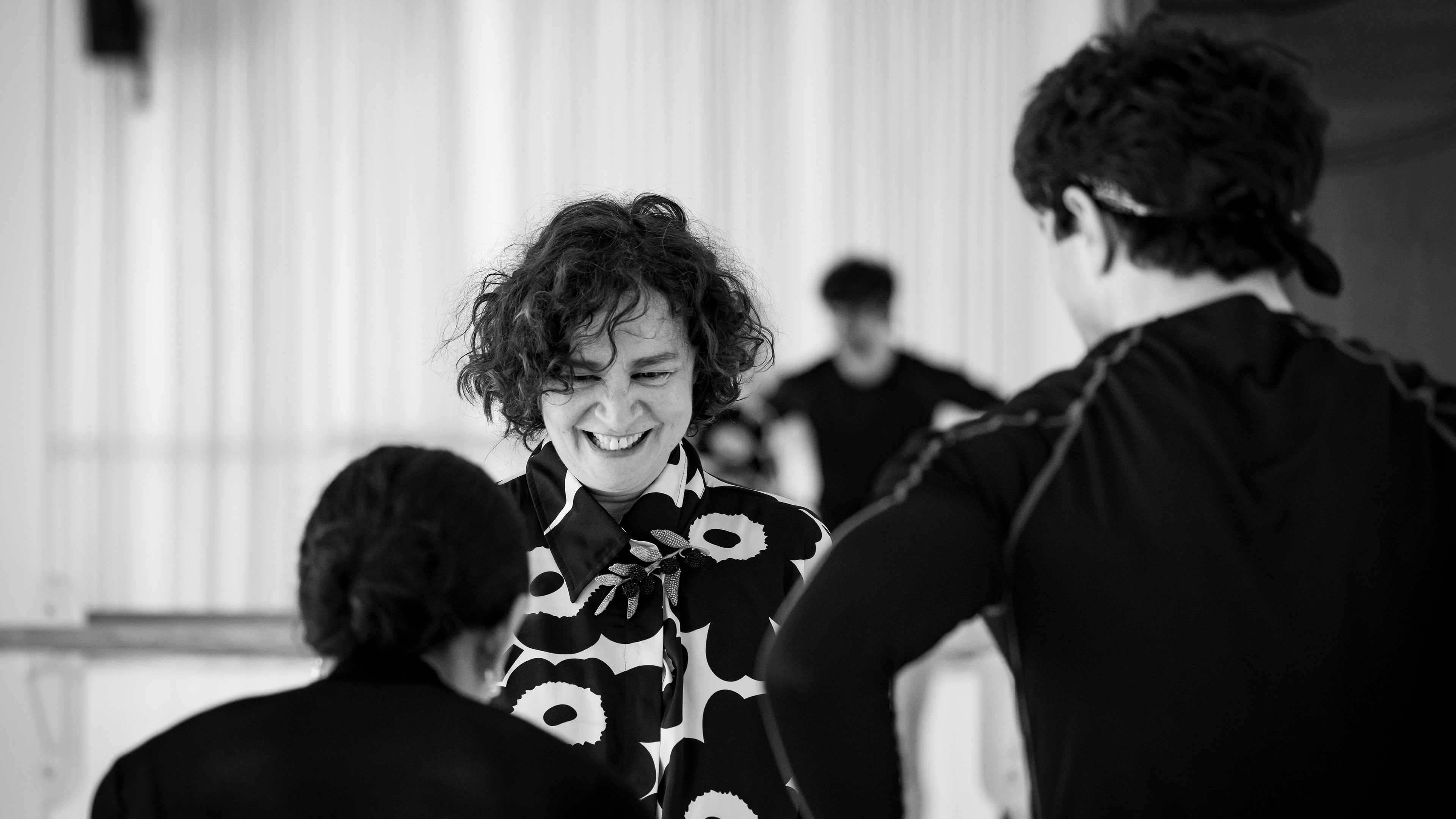
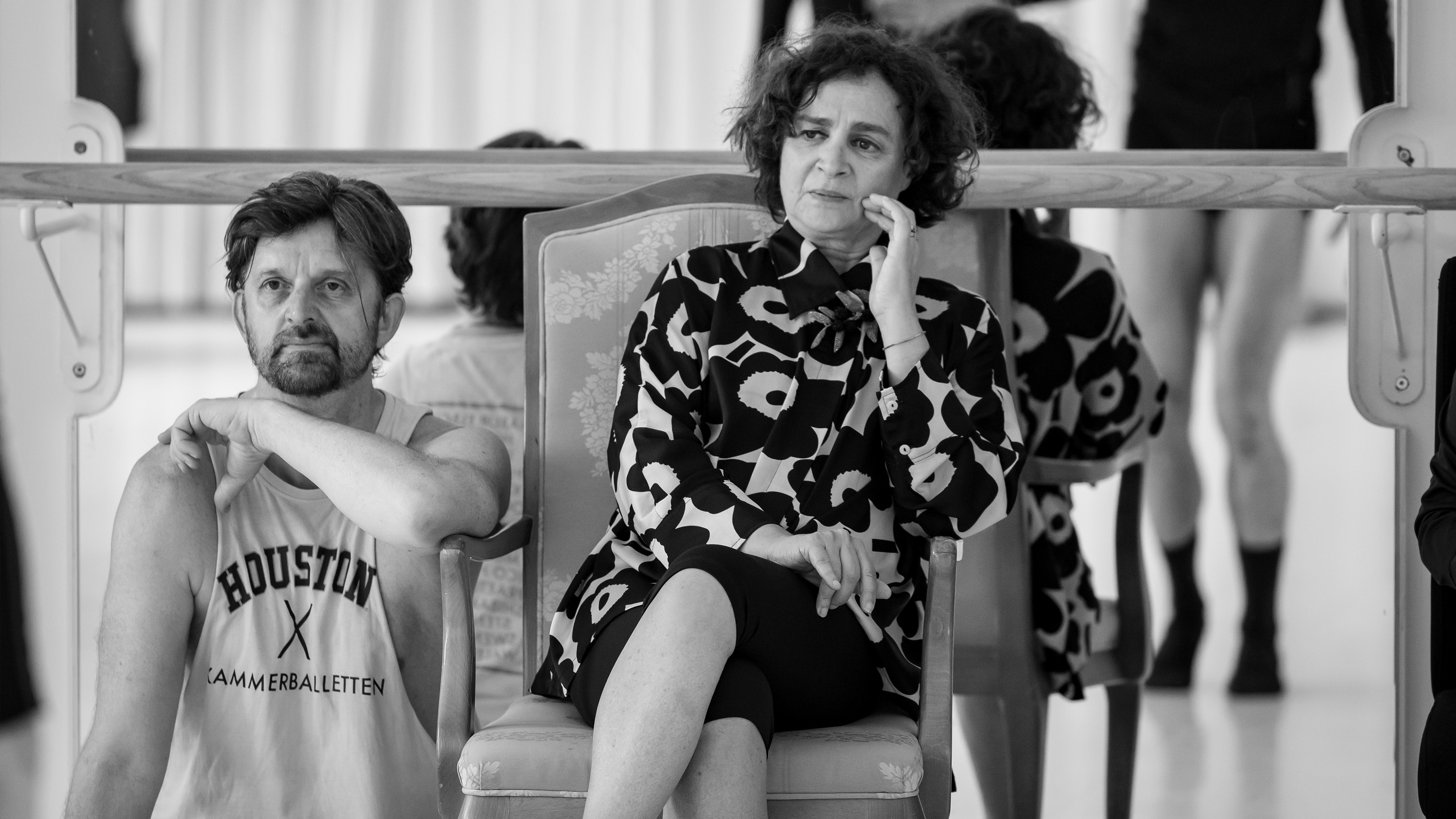
Following the great success of their production SCHMETTERLING in April 2023, the choreographer duo Sol León and Paul Lightfoot are returning to the Bayerisches Staatsballett in summer 2025; this time as curators of the young choreographers' programme Sphären.03, which will be shown at the Prinzregententheater as part of the Munich Opera Festival. We talked to them about role models, gender relations in dance and ‘probably the shortest full-length ballet’.


Why did you choose the choreographers Dimo Milev, Pau Aran Gimeno, Eliana Stragapede & Borna Babić for Spheres.03?

SL: Paul and I like the creative spirit of these young choreographers, their integrity and sensitivity. I can't describe them at all, I just like them too much for that, I don't want to pigeonhole them.


What makes good choreography for you, Paul?

PL: Authenticity. The choreographer must have their own language, must create something new. As with a painter, a composer or a writer, the viewer must have the feeling that their own voice is speaking. We can't talk about whether something is good or bad. Because that is always a question of taste and that is highly subjective.

SL: For me, good choreography is above all creative. And I don't think there's much creativity at the moment. A lot of things are imitated and simply copied. We live in an age that is fast and has to be super productive. Good choreography is something that not only entertains, but also touches the viewer deeply, makes them feel something. This is no different in the visual arts than in choreography. I value the choreographers we have chosen precisely because of their creativity


What does creativity mean to you?

SL: For me, being creative means creating something new. To create something that I have never seen before. A choreographer must have their own signature, something that is unique.


Do you have artistic role models?

SL: I have many role models and inspirations. My time at the NDT with all the great choreographers was very formative. Historically, these were mainly women for me: Bronislava Nijinska, Martha Graham, Isadora Duncan, Pina Bausch. They were all pioneers who made a real mark.

PL: I have many influences, I love architecture, painting, film means a lot to me, especially when I was young. I was also a bookworm, even though I don't read as much as I should now. I wasn't a reader of realistic literature because I always lived in my fantasy world anyway.

What can the audience look forward to in Shutters Shut and Subject to Change, your two pieces at Sphären.03?

PL: Both pieces were created almost simultaneously, 22 years ago. Shutters Shut is probably the shortest ‘full-length’ ballet in the world: four and a half minutes. It is based on a poem. But it's not about the text, it's about the voice of the poet who recorded the poem. We choreographed how the poem is recited and not what the poem is about. It's like a little jewel, a diamond, something intangible and I think the audience will find something in it that they don't expect.


And Subject to Change?

PL: Subject to Change is a very personal piece and has a serious tone, but also beauty and poetry. And it has a certain mystery to it. It's not narrative, but people will understand what's going on on stage. I don't want to give too much away. I really wanted to do this piece with the company because I think it's one of the most valuable works I've ever created. And I want the dancers to share this experience with us.


How does it feel when you return to the Bayerisches Staatsballett for rehearsals in June?

PL: The Bayerisches Staatsballett is not my home, but it will still feel like I'm coming home.


What do you personally associate with the Bayerisches Staatsballett?

SL: For me, it's this very special group of dancers who are currently working in this theatre.

PL: The opera house in Munich is large and a cultural centre in Germany. It has a certain grandeur, but also stands for innovation. The company has a classical repertoire, but it has also opened its doors to the world and is growing. I think the company is growing right now. That is a contradiction, because Grandeur actually means that it has reached the top. But if you look at the opportunities for the artists, the company is in transition.


What advice would you give female choreographers today, Sol?

SL: You mustn't be afraid to try something completely new. You have to keep your instincts. But above all, I think it's time for a fundamental change. Because those who commission works by female choreographers are usually still men. It's very fashionable right now to help women. But I think women should also be in a position to make the decisions. Even if that will probably take some time. Above all, we need to find a good balance between the sexes.


If you hadn't become a choreographer, would you be...?

SL: Definitely a philosopher. I would be doing something spiritual, I've always been very interested in religion, philosophy and my environment.


Last question: 10 minutes after the premiere, what do you do?

SL: Hug all the dancers and choreographers and people involved in the production. Thank them. Give a few corrections. It's always a bombastic moment full of adrenaline straight after a premiere.

PL: I hope we all stand together, hug each other and smile.

Interview by Annette Baumann
  1. Home
  2. Staatsballett Home
  3. Editorial: Sol León & Paul Lightfoot about Spheres.03
  • Cookie settings
  • Declaration on accessibility
  • Ausschreibungen
  • AGB
  • Imprint
  • Data privacy
  • Press
  • Login
  • Contact
  • Jobs
  • Newsletter
  • Facebook
  • Instagram
  • Youtube
today
Schedule loading