07:30 pm | Nationaltheater

WAVES AND CIRCLES

William Forsythe, Emma Portner, Maurice Béjart

Ballett

Ballett
#BSBwavesandcircles

WAVES AND CIRCLES

Choreography William Forsythe, Emma Portner, Maurice Béjart. Music James Blake, Paddy McAloon/Prefab Sprout, Maurice Ravel.


Triple Bill ("Blake Works I" 2016, "Megahertz" 2025, "Boléro" 1961)

Duration est. 1 hours 45 minutes

Pre-performance talks will be taking place one hour before the start of each performance in the Capriccio-Saal. Seating is limited, duration approx. 25 min.

Duration est. 2 hours

BLAKE WORKS I

est. 19.30 pm - 20.00 pm

Interval

est. 20.00 pm - 20.30 pm

MEGAHERTZ

est. 20.30 pm - 20.55 pm

Interval

est. 20.55 pm - 21.00 pm

BOLÉRO

est. 21.00 pm - 21.15 pm

Whether we think of the word ‘wave’ in relation to a shoreline, a radio or a football stadium, the idea of energy is always involved. An energy that seeks its own path and creates an impression of vitality. Waves often spread out in circles, radiating outwards from a centre in all directions. In the Waves and Circles triple bill, waves and circles play a role in different ways – they are sung about, visible or tangible.

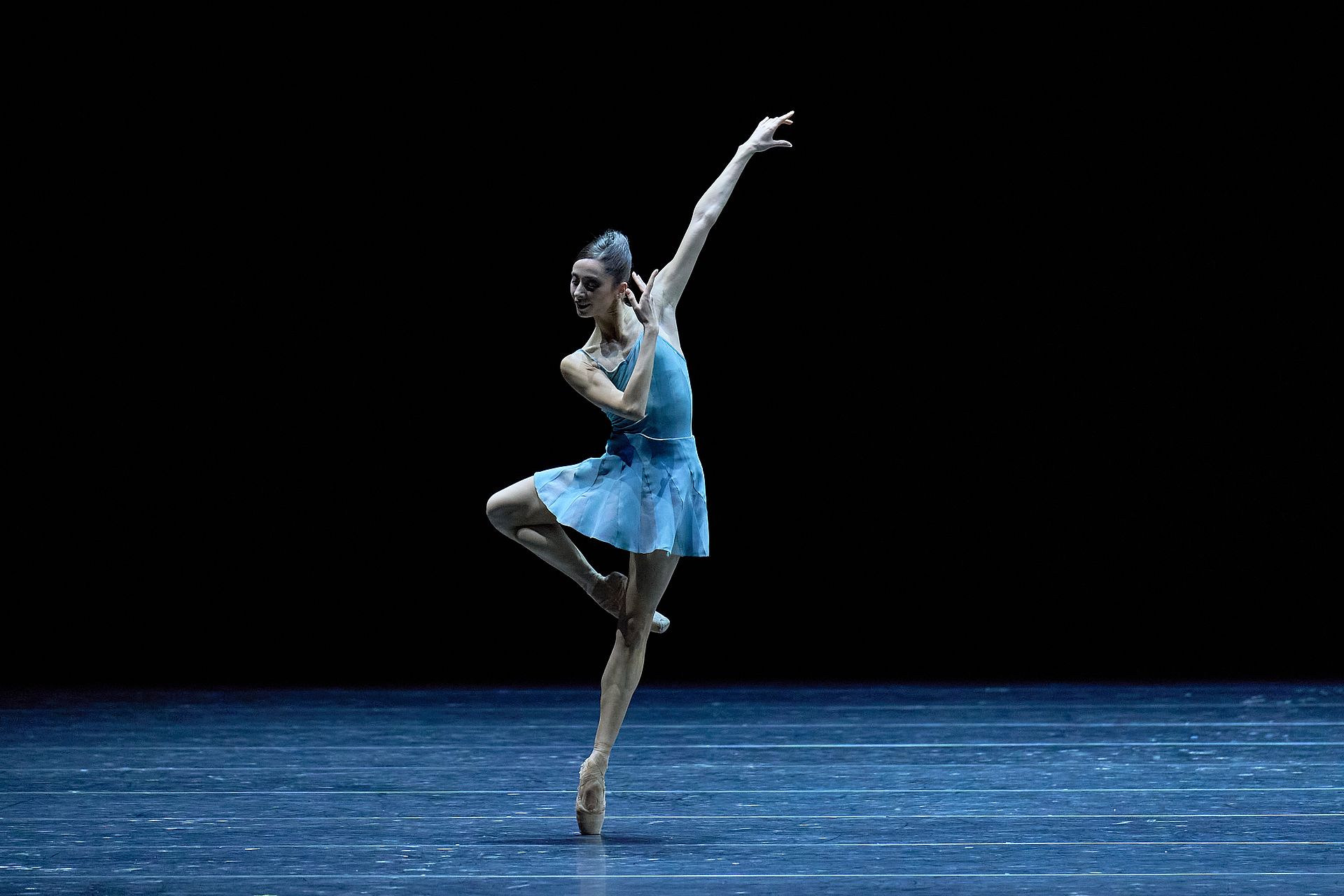
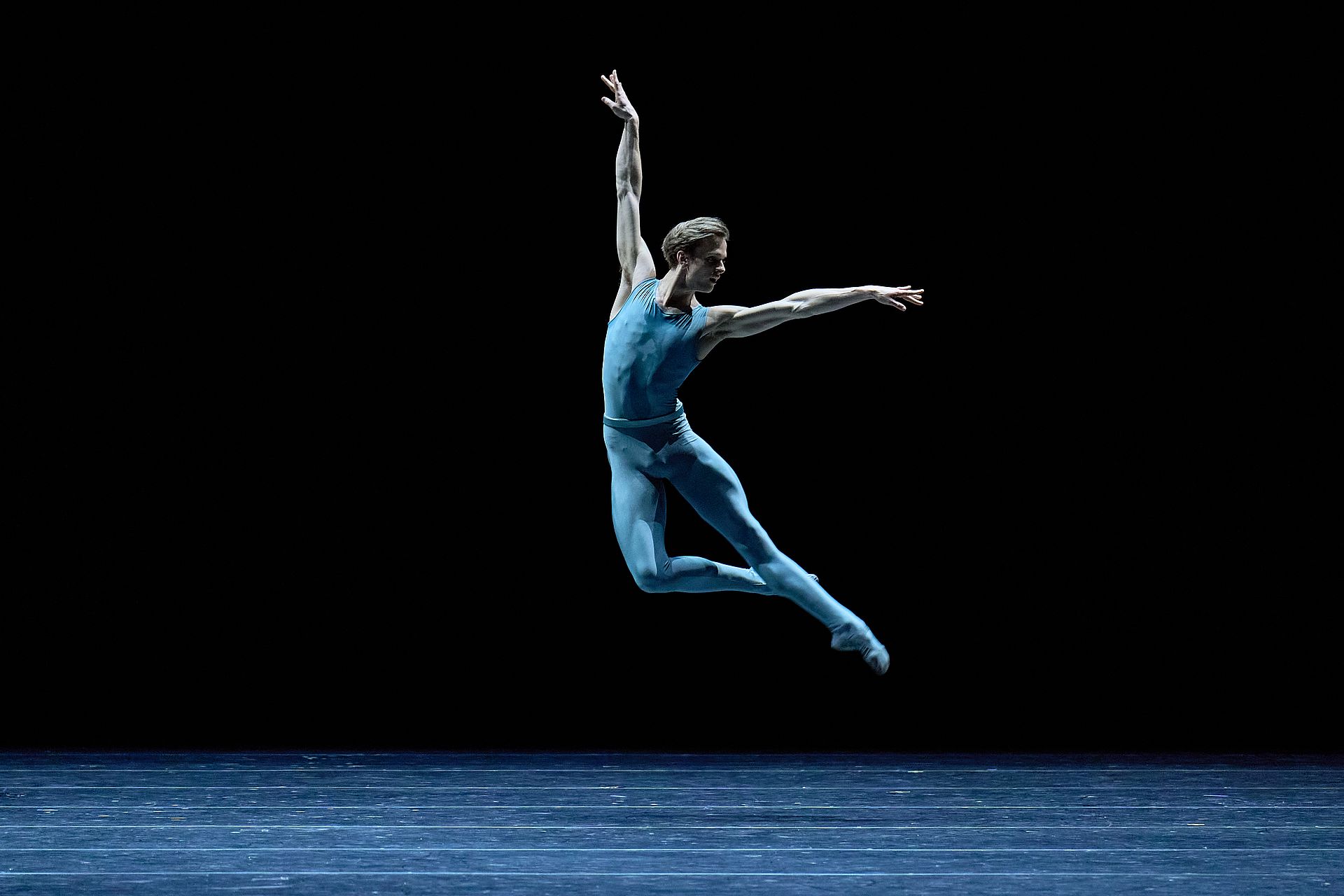
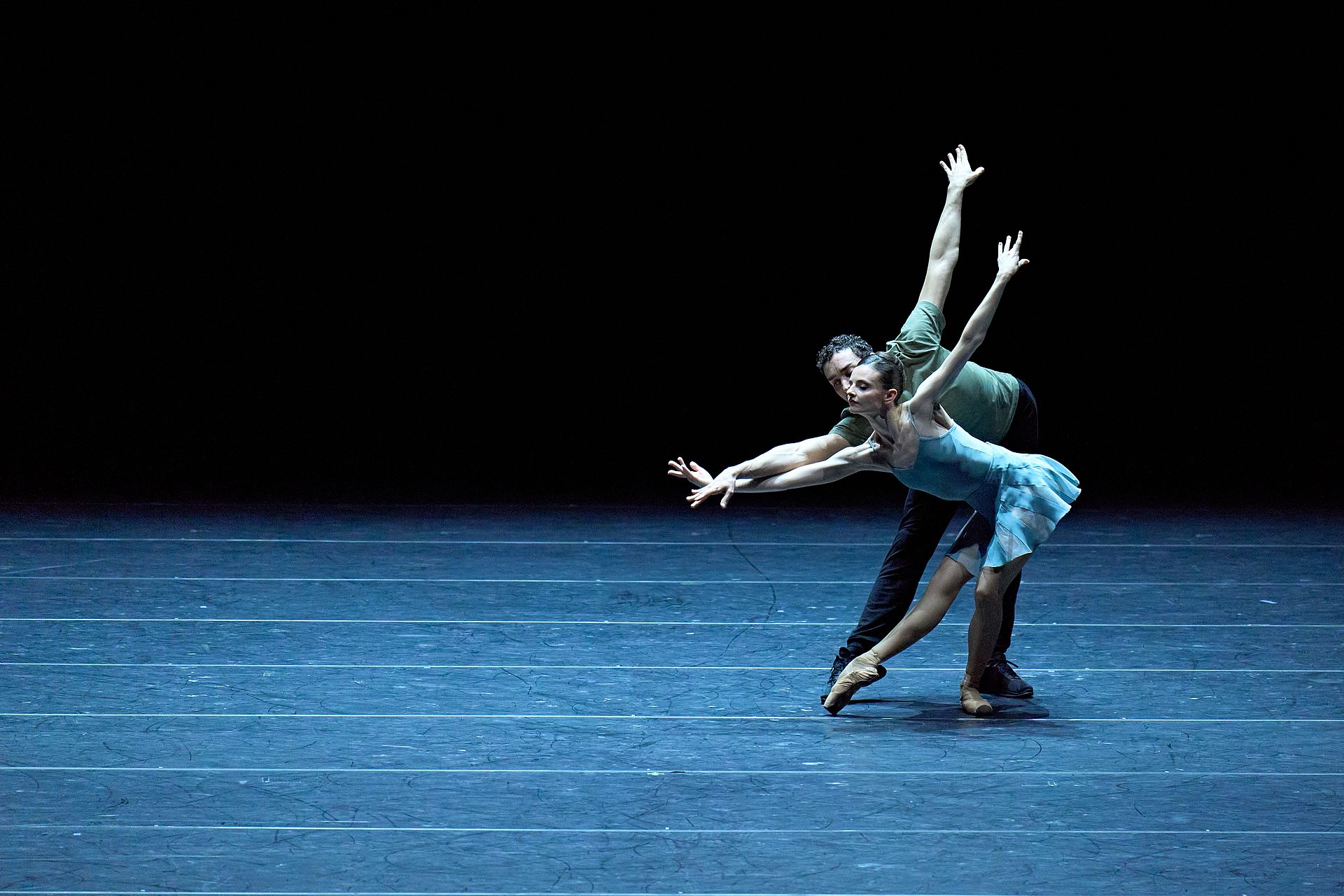
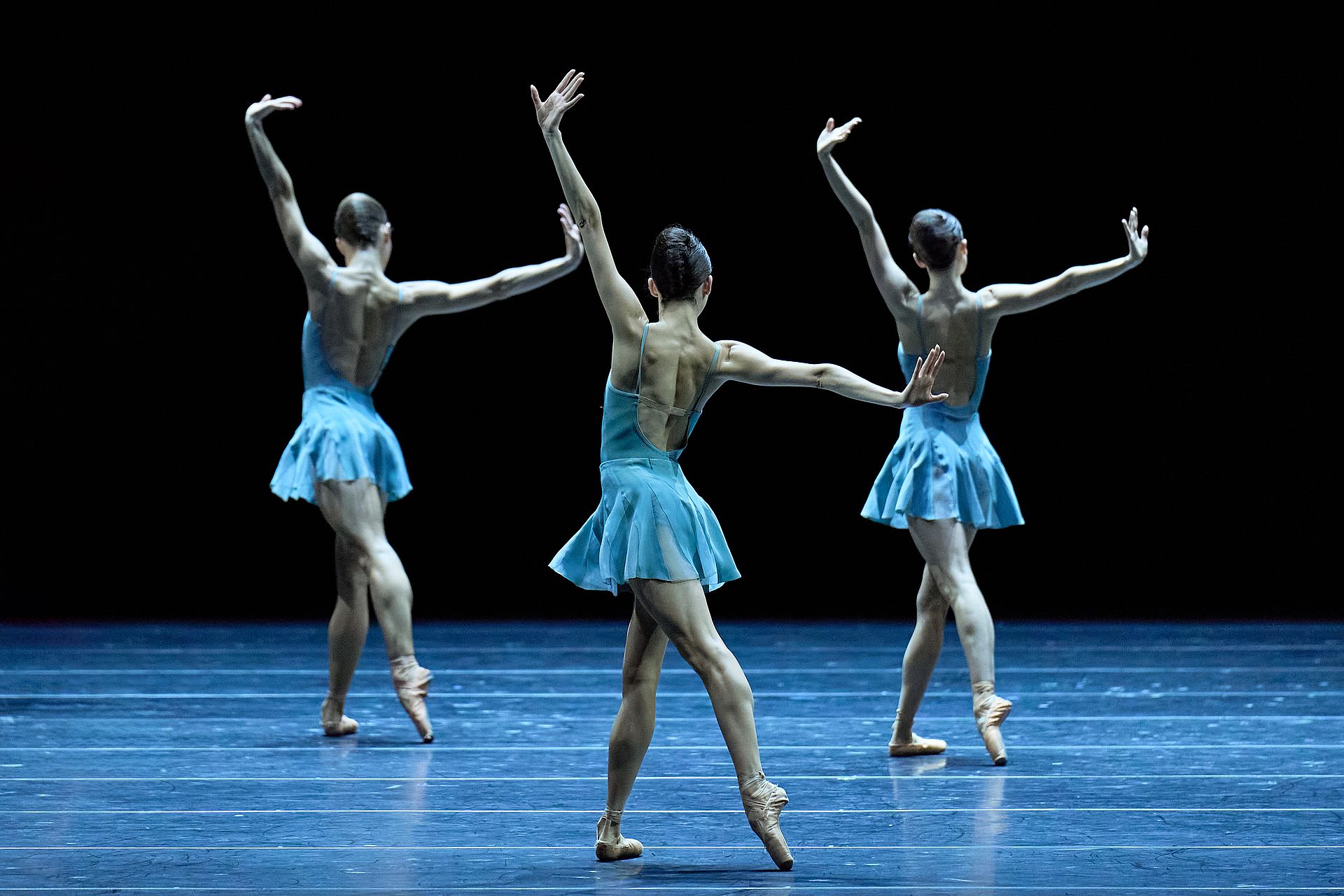
William Forsythe's ballet Blake Works I, created in 2016, is based on seven songs by British singer James Blake. While the lyrics of the songs are introverted and the sounds are fragile and playful, Forsythe's choreography, informed by classical French dance technique, provides a sophisticated counterpoint, featuring speed, brilliance and virtuosity.

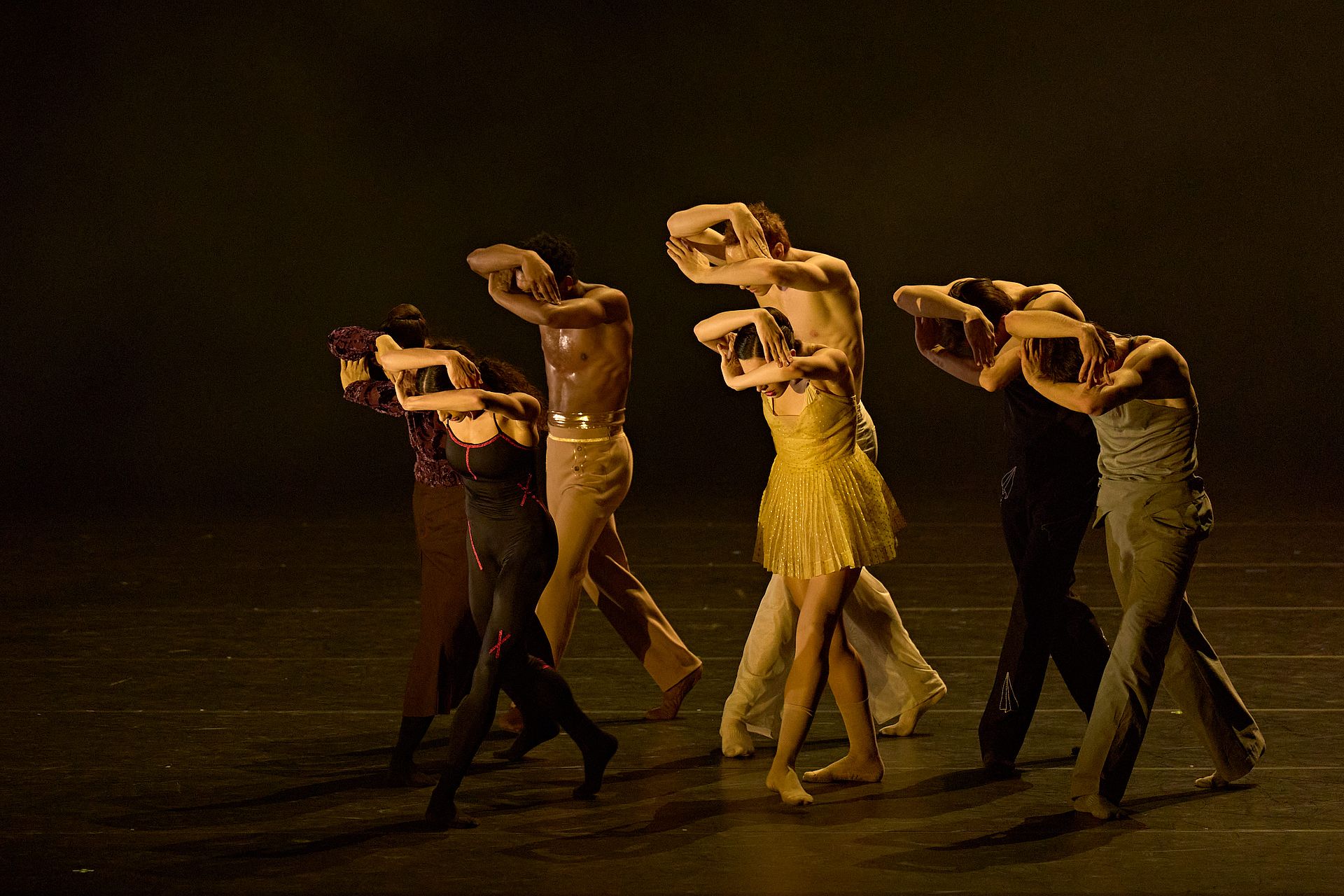
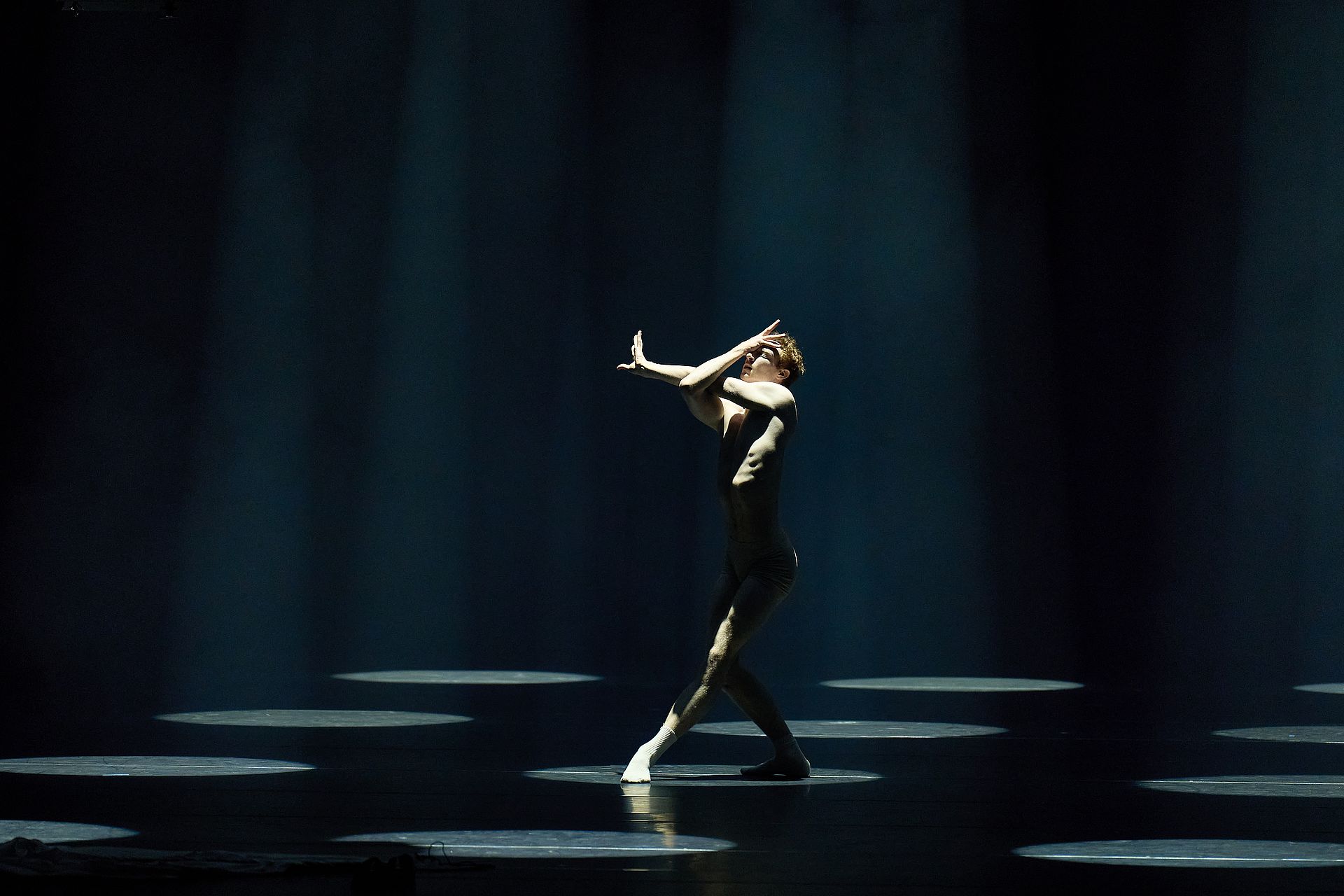
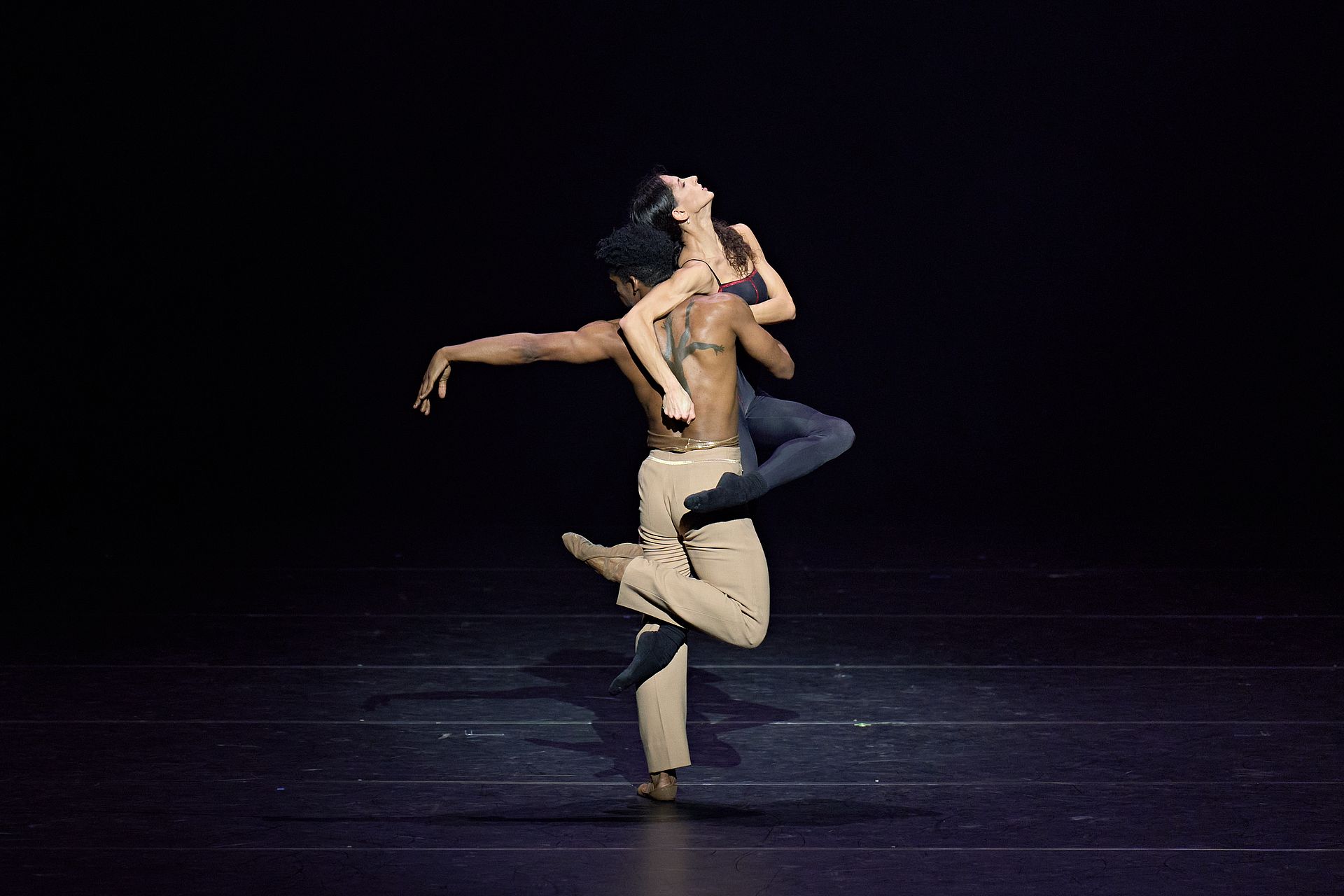
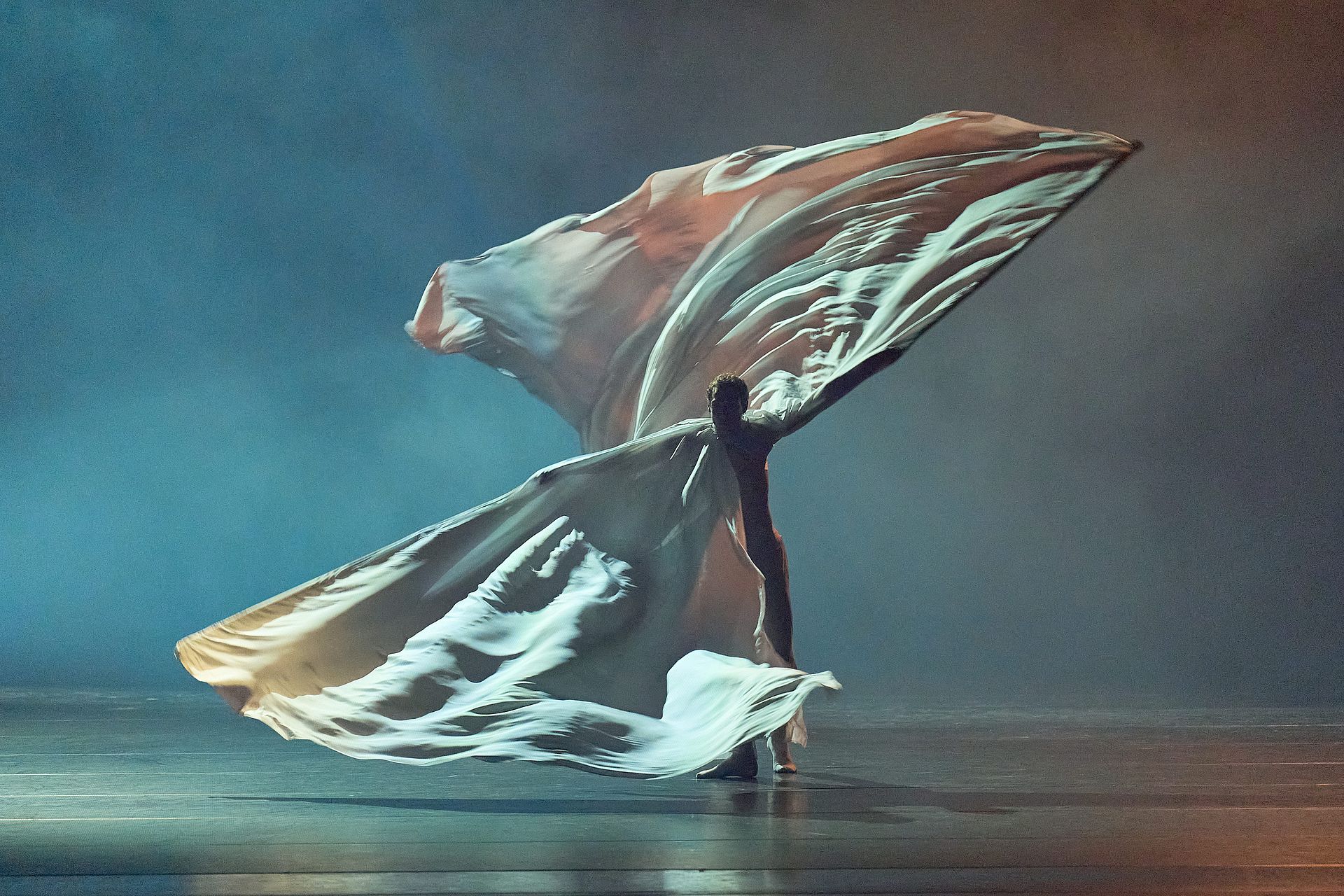
Canadian choreographer Emma Portner is creating for a German company for the first time. Her creation Megahertz is based on a 22-minute song by British musician Paddy McAloon. The song presents the account of a woman's life, in which the boundary between reality and fiction is blurred. The female solo part in Portner's new piece is a choreographic counterpart to the narrating voice, alongside six other characters – strangers, figures and ghosts – that pass through this iteration of the woman’s story.

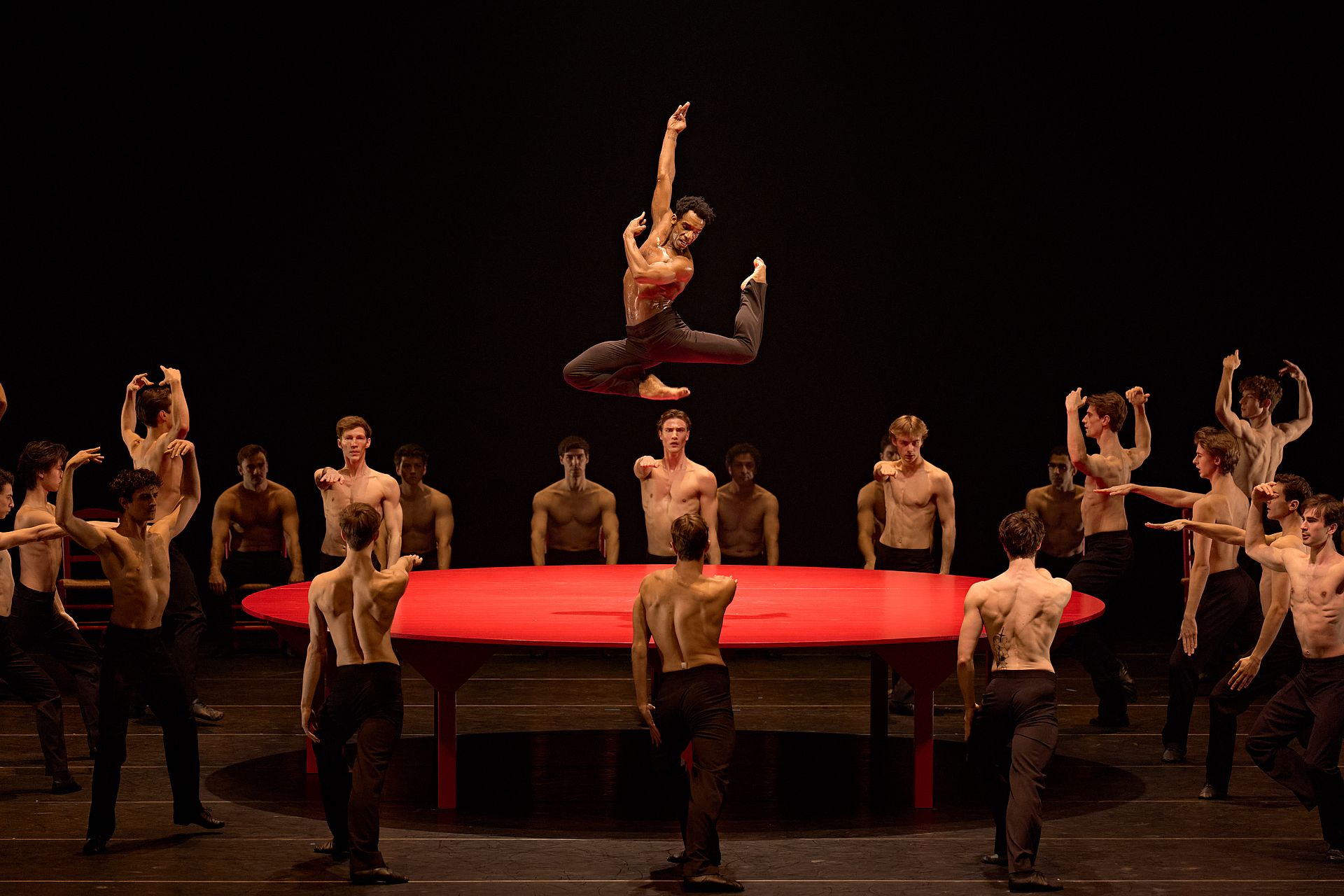
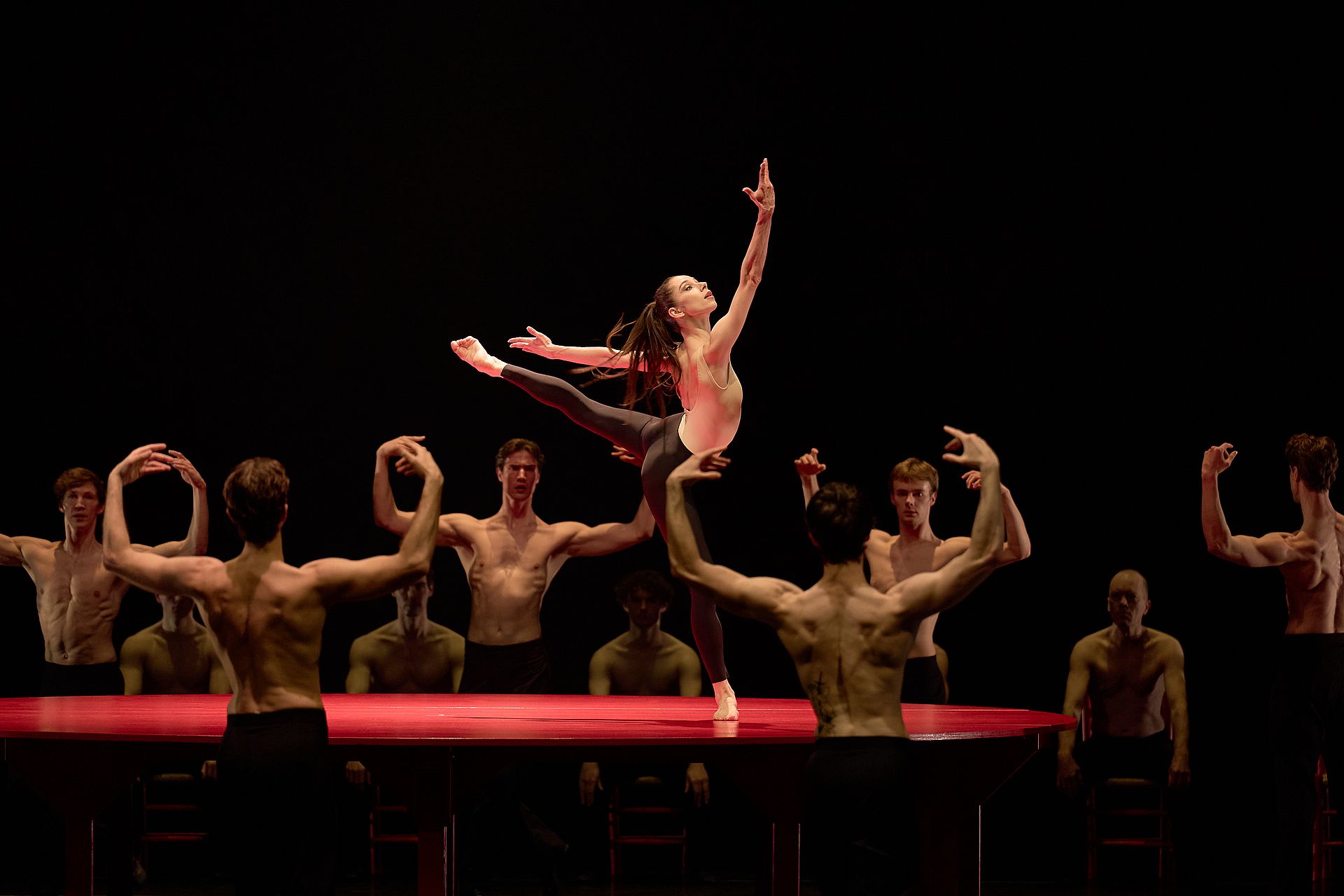
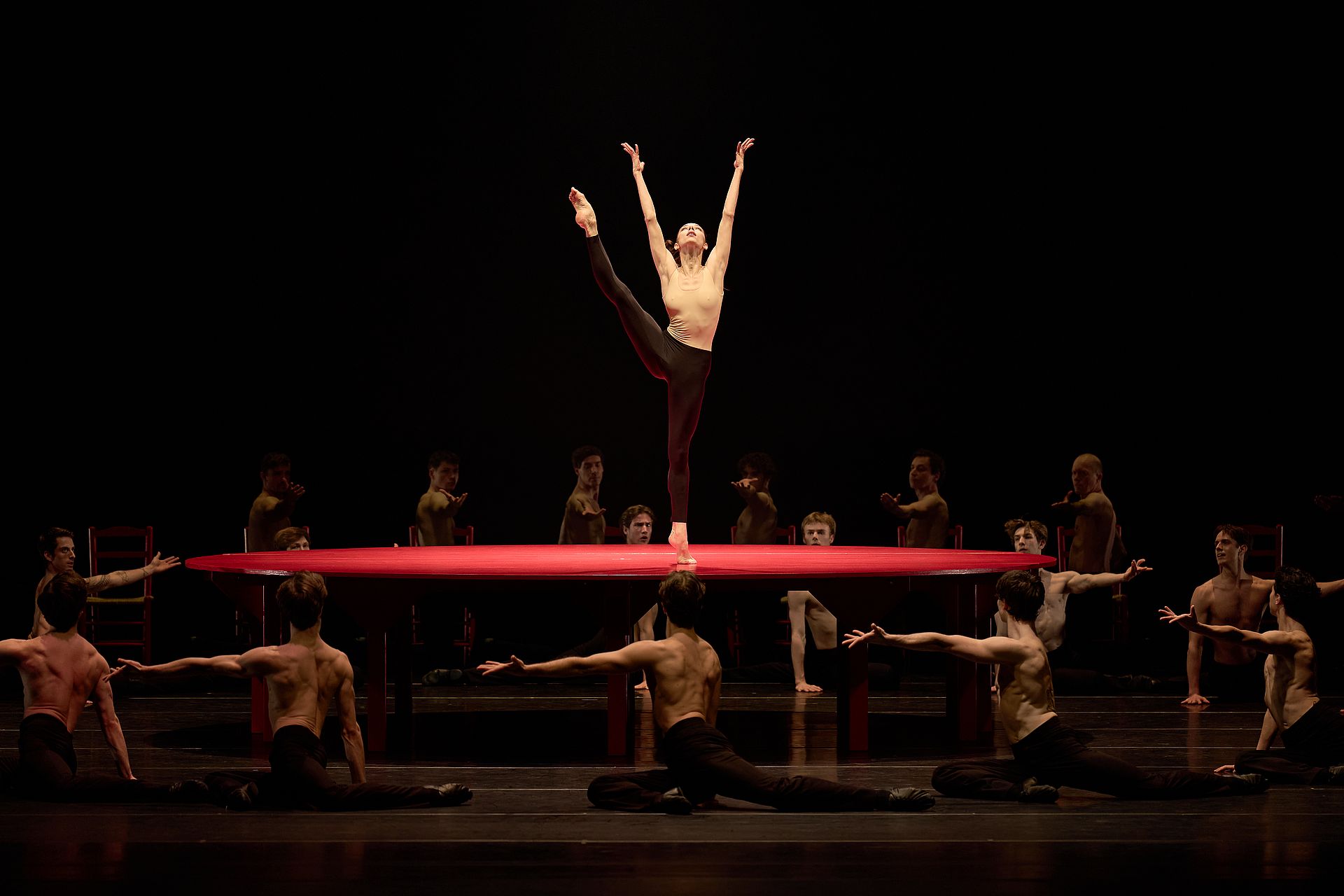
Maurice Ravel's orchestral piece Boléro (1928) may be best known today from the concert hall, but it originally accompanied a ballet. In 1961, Maurice Béjart presented a choreography that set new standards. Béjart's version takes up the structure of Ravel's music: the person dancing in the middle on a table embodies the melody, while the others forming a circle around the centre embody the rhythm. Béjart said: ‘I wanted to bring out the melody that keeps coming to the fore and rolls in tirelessly like a wave.’

Cast

Blake Works I
  • Tänzer:innen
    N.N. N.N. N.N. N.N. N.N. N.N. N.N. N.N. N.N. N.N. N.N. N.N. N.N. N.N. N.N. N.N. N.N.
Megahertz
  • Tänzer:in
    N.N. N.N. N.N. N.N. N.N. N.N. N.N. N.N.
Boléro
  • Solo
    N.N.
  • Ensemble
    N.N.
  • Bavarian Junior Ballet Munich
  • Bayerisches Staatsorchester